One of the most common questions we hear at On Path Physio is: “Are there any natural anti-inflammatory foods or supplements that can help my recovery?” The short answer is yes, but they’re designed to support your healing, not replace physiotherapy. As Senior Physiotherapists at On Path Physio, we know that successful recovery isn’t just about what happens in the treatment room. The exercises you complete, the food you eat, how well you sleep, and your overall lifestyle all influence how quickly and effectively your body heals.
Here are some of the most common questions we receive.
Should I try to reduce inflammation after an injury?
Not completely.
Many people think inflammation is the enemy, but that’s actually not true. Inflammation is your body’s natural healing response. After an injury, your immune system sends specialised cells to the injured area to begin repairing damaged tissue. This early inflammatory phase is essential for recovery.
The problem occurs when inflammation becomes excessive or persists for too long. Chronic inflammation can slow tissue repair, increase pain, and make recovery more difficult. Rather than trying to eliminate inflammation altogether, the goal is to support a healthy, balanced inflammatory response.
For more information about when medication may or may not be appropriate, read our guide to managing muscle aches and joint pain with anti-inflammatories.
What are the best anti-inflammatory foods?
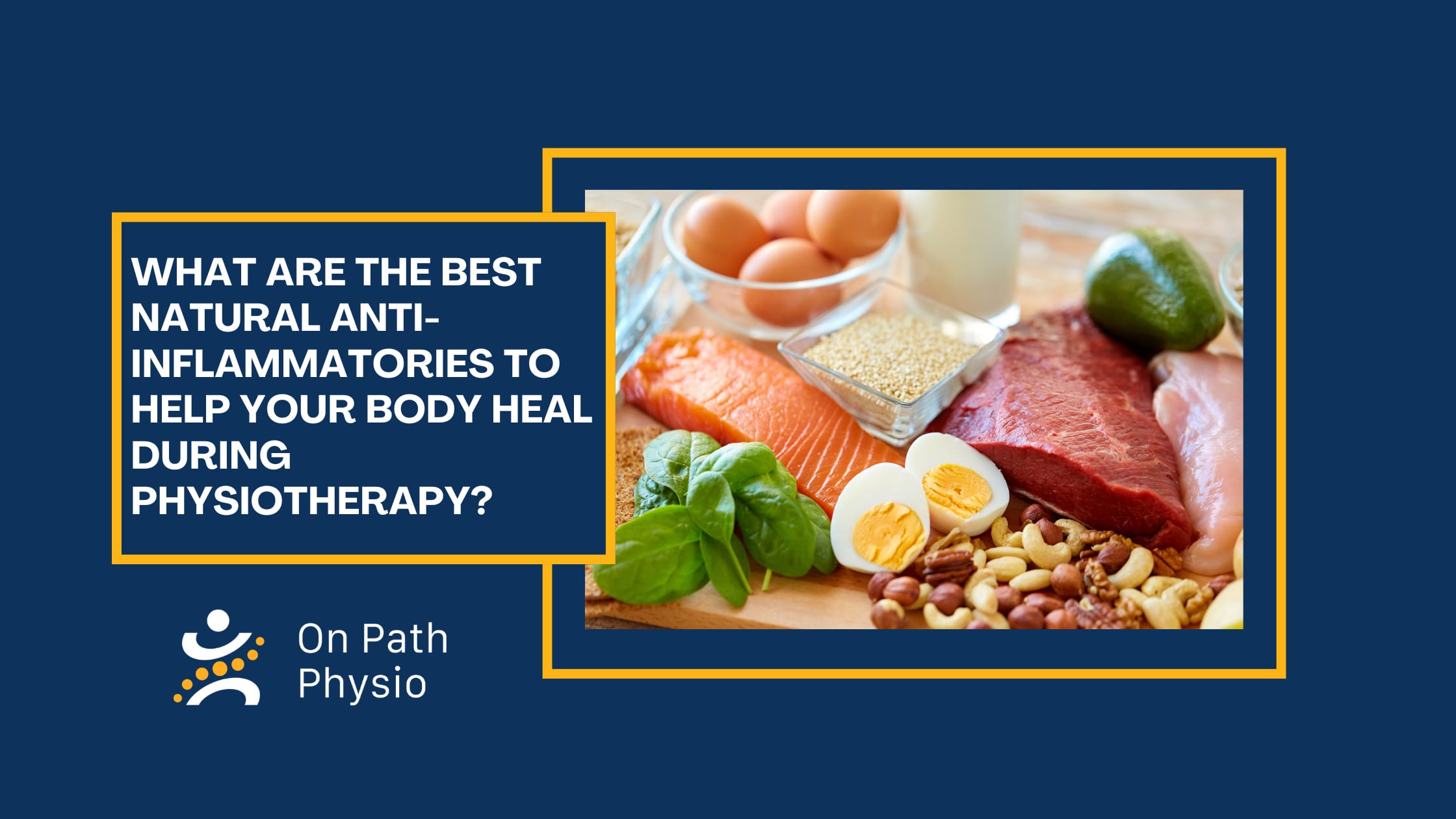
A diet rich in whole, minimally processed foods provides your body with the nutrients it needs to recover.
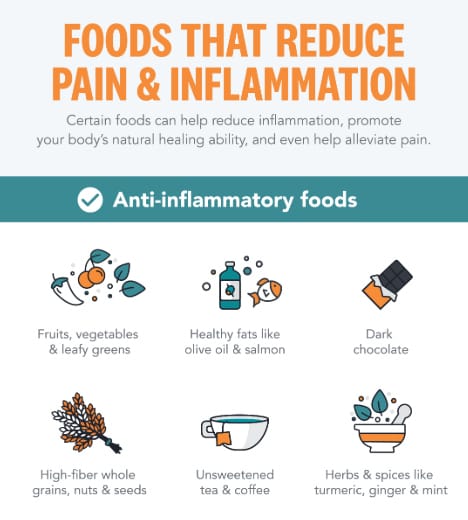
Some of the best natural anti-inflammatory foods include:
- Oily fish such as salmon, sardines and trout
- Extra virgin olive oil
- Turmeric
- Ginger
- Blueberries and cherries
- Leafy green vegetables
- Broccoli
- Walnuts
- Chia seeds
- Flaxseeds
Eating a wide variety of colourful fruit and vegetables each day also provides antioxidants that help protect your body’s cells during healing.
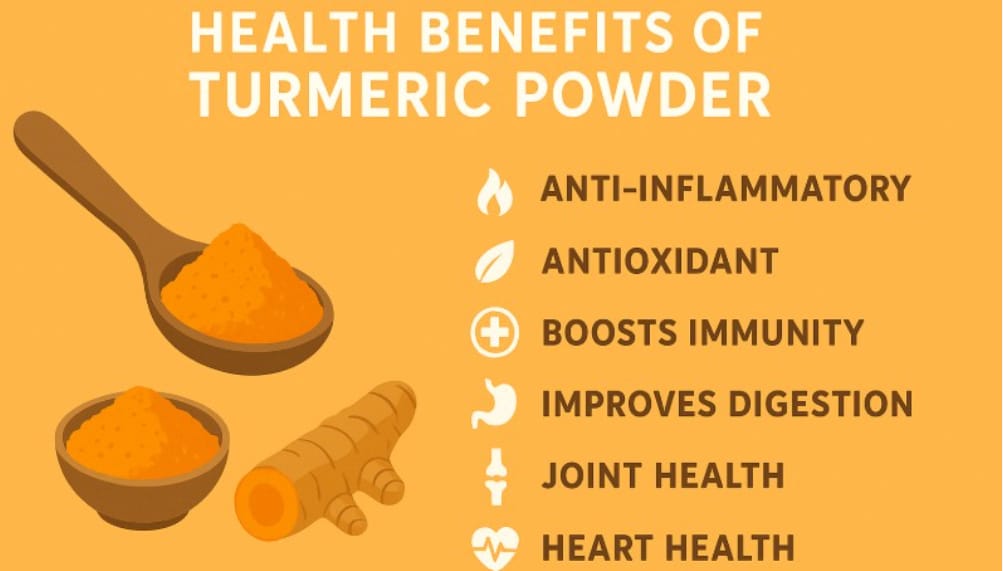
Is Turmeric an Anti-Inflammatory Food, and Does It Actually Work?
Turmeric has been widely researched, and the active ingredient, curcumin, has shown promising anti-inflammatory properties.
Some studies suggest it may help reduce pain and stiffness associated with conditions such as osteoarthritis and may also assist with muscle and tendon recovery. In people with persistent knee symptoms, inflammation and swelling may also contribute to discomfort.
If you’re using turmeric in cooking, combining it with black pepper and a healthy fat like olive oil can improve absorption.
Can ginger help with muscle or joint pain?
Yes.
Ginger contains natural compounds that may help reduce inflammation and muscle soreness following exercise. Some people also find it helpful for managing joint pain associated with arthritis. Adding fresh ginger to meals, smoothies, or tea is a simple way to include it in your diet.
Is fish oil worth taking?
Omega-3 fatty acids found in fish oil are among the most researched nutrients for reducing inflammation.
They may help with:
- Joint stiffness
- Muscle soreness
- Tendon irritation
- General recovery after exercise
The best dietary sources include salmon, sardines, mackerel and trout.
If you’re considering anti-inflammatory supplements, speak with your GP or healthcare provider first, especially if you take blood-thinning medication.
Are there foods that actually help tissues heal faster?
Absolutely.
While anti-inflammatory foods are helpful, adequate protein is one of the most important nutrients for tissue repair. Protein provides the building blocks your body needs to repair muscles, tendons, ligaments and other soft tissues.
Good protein sources include:
- Lean meat
- Fish
- Eggs
- Greek yoghurt
- Tofu
- Legumes
Vitamin C is also essential because it helps your body produce collagen, which is critical for repairing tendons, ligaments and muscles. Excellent sources include kiwi fruit, oranges, strawberries, capsicum and broccoli.
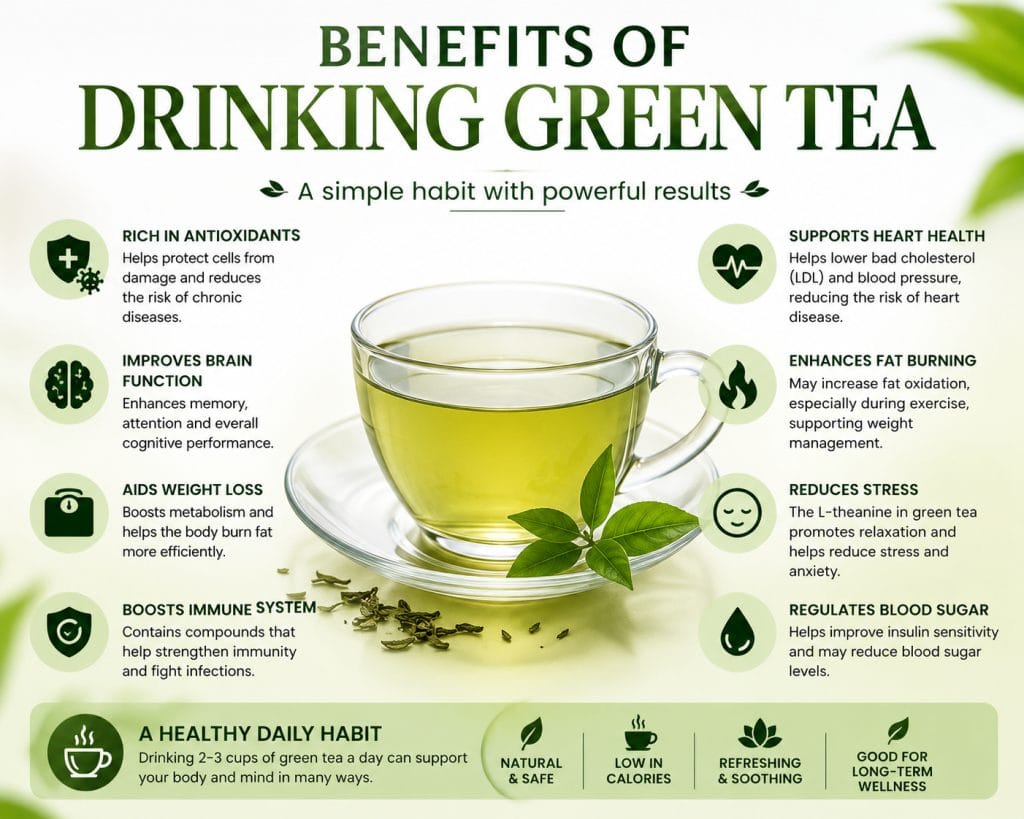
What can I drink to reduce inflammation, and is green tea anti-inflammatory?
Green tea is a great option.
It contains antioxidants called catechins, which may help reduce inflammation and oxidative stress. Tart cherry juice has also become popular with athletes because research suggests it may help reduce muscle soreness and improve recovery after strenuous exercise.
Can natural anti-inflammatory foods replace physiotherapy?
No.
Nutrition can help create the ideal environment for healing, but it doesn’t address the underlying cause of pain or dysfunction. For example, if you’ve injured your shoulder, sprained your ankle or are recovering from hip replacement surgery, your body still needs the right exercises, movement, strength training and rehabilitation to recover properly. That’s where physiotherapy plays an essential role.
What else can I do to improve my recovery?
Recovery is influenced by many different factors.
Some of the most effective habits include:
- Following your physiotherapist’s exercise program
- Eating enough protein each day
- Including anti-inflammatory foods in your diet
- Sleeping 7–9 hours each night
- Staying hydrated
- Managing stress
- Keeping active within your rehabilitation guidelines
- Avoiding smoking and limiting excessive alcohol consumption
These lifestyle factors work together to support tissue healing and reduce unnecessary inflammation.
What is the best approach to healing after an injury?
There isn’t one magic food or supplement that speeds up recovery overnight.
The best results come from combining:
- Evidence-based physiotherapy
- Progressive exercise
- Good nutrition
- Quality sleep
- Healthy lifestyle habits
- Consistency
At On Path Physio, we focus on treating the cause of your pain, not just the symptoms. We’ll develop an individualised treatment plan designed to restore movement, improve strength and help you return to work, sport or everyday activities with confidence.
Have More Questions About Recovery?
If you’re recovering from an injury, surgery or persistent pain, our experienced physiotherapists are here to help. We’ll guide you through every stage of your rehabilitation and provide practical advice on exercise, recovery and lifestyle strategies that support long-term healing.
Book an appointment with On Path Physio and let us help you get back to moving at your best.