If you’ve ever experienced muscle tightness, back pain, a sports injury or simply felt sore after a busy week, you’ve probably wondered whether you should book a massage or see a physiotherapist.
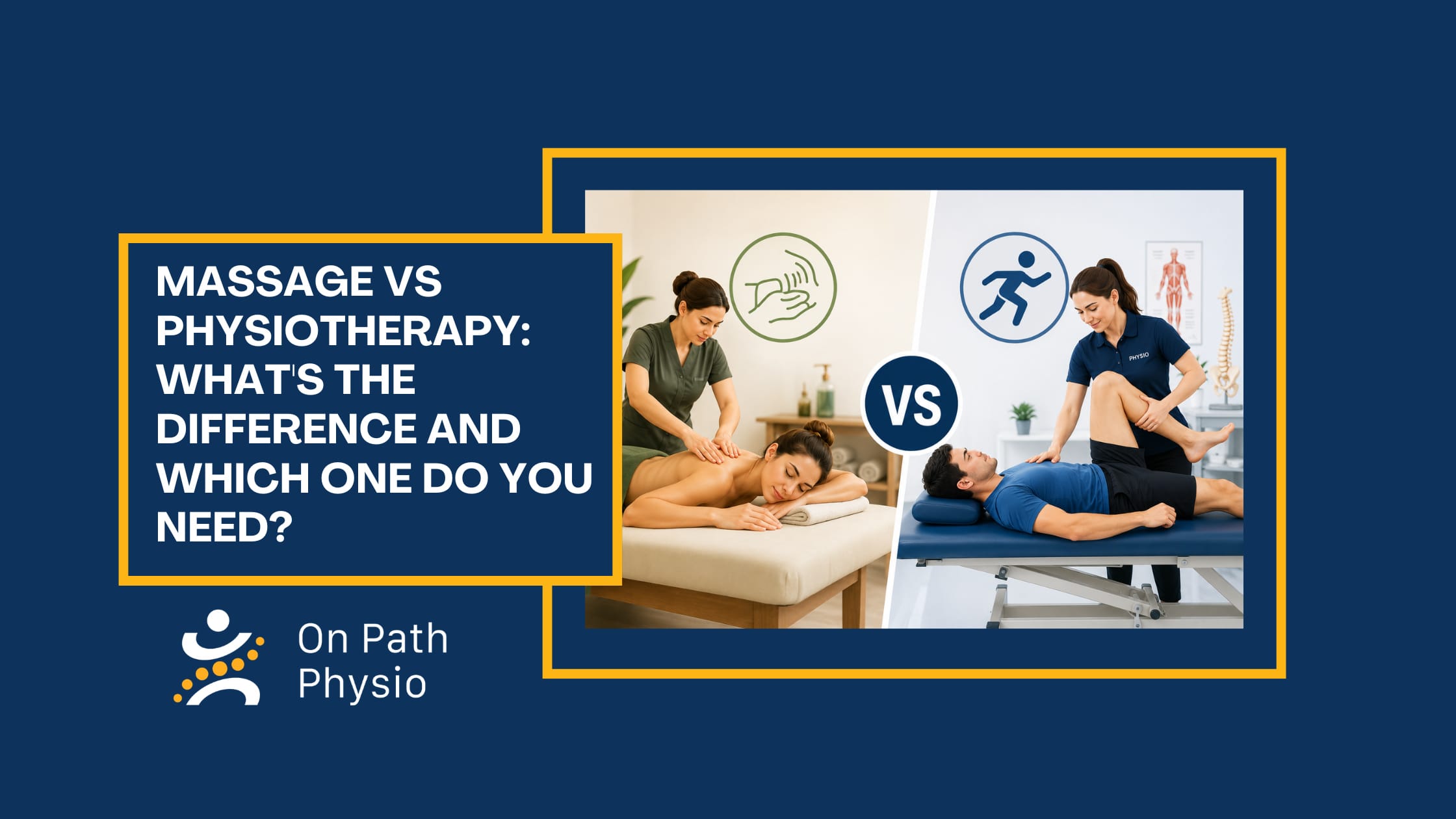
While both treatments can help relieve pain and improve how you feel, they serve different purposes. Understanding the difference can help you choose the right treatment and recover more effectively.
What is Massage Therapy?
Massage therapy focuses on manipulating the body’s soft tissues, including muscles, tendons and fascia, to reduce muscle tension, improve circulation and promote relaxation.
Massage therapists study human anatomy and the muscular system, allowing them to identify areas of tightness and discomfort. Using techniques with oils or creams, they work to release muscle tension, improve blood flow and assist the body’s natural recovery process.
Massage therapy is an excellent option for people experiencing general muscle tightness, stress, fatigue or soreness from everyday activities such as gardening, exercise or prolonged sitting.
Is Every Type of Massage Therapy the Same?
No. There are many different types of massage, each designed for different purposes.
Remedial massage targets specific muscles and soft tissues that have become tight or painful due to overuse, poor posture or minor strains. It is commonly used to assist recovery from musculoskeletal discomfort and is recognised by most private health funds.
Swedish massage uses long, gentle strokes to promote relaxation, reduce stress and improve circulation. This style is commonly offered in spas and wellness centres.
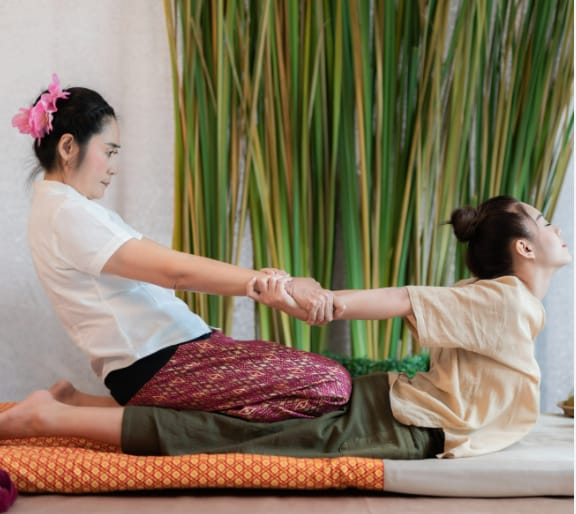
Thai massage is a firmer treatment that combines deep pressure with assisted stretching and joint mobilisation. It aims to improve flexibility, mobility and overall body movement.
Chinese massage is generally a deeper, firmer style of massage that focuses on releasing muscular tension and improving circulation. It often incorporates traditional techniques designed to restore balance throughout the body.
Lymphatic drainage massage is one of the gentlest massage techniques available. It is specifically designed to stimulate the lymphatic system and assist people experiencing swelling (lymphoedema), particularly following cancer treatment, surgery or injury involving the lymph nodes.
Why Does the Type of Massage Matter?
The type of massage is important because it determines the purpose of the treatment and, in many cases, whether private health insurance benefits apply.
Health funds generally provide rebates for remedial massage delivered by appropriately qualified therapists working in registered clinics, as the treatment is aimed at managing musculoskeletal conditions rather than simply providing relaxation.
What Does a Physiotherapist Do?
Physiotherapists undergo extensive university training to become experts in assessing, diagnosing and treating injuries involving muscles, joints, nerves, tendons and bones.
Unlike massage therapy, physiotherapy goes beyond relieving symptoms. A physiotherapist identifies the underlying cause of your pain or movement restriction and develops an evidence-based treatment plan to restore normal function.
Treatment may include:
- Hands-on manual therapy
- Soft tissue massage
- Joint mobilisation or manipulation
- Individualised exercise programs
- Strength and mobility training
- Postural and ergonomic advice
- Injury prevention strategies
- Education to help prevent recurrence
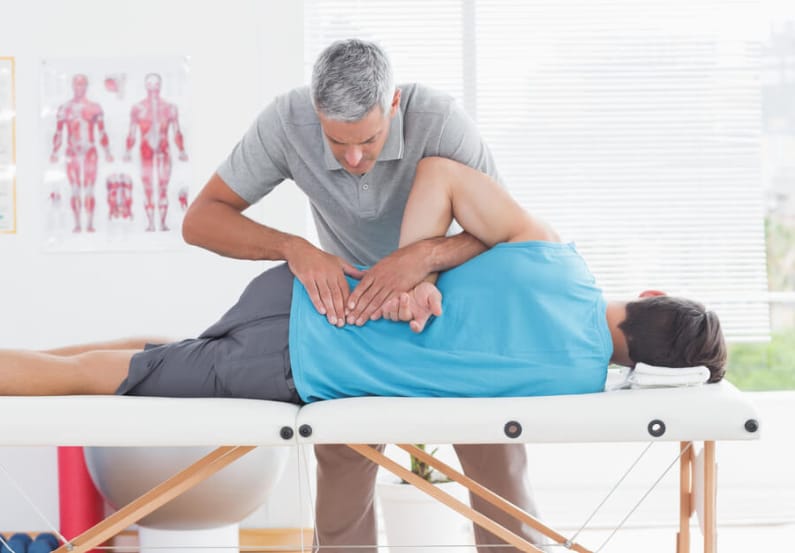
Although physiotherapists often use massage techniques during treatment, massage forms only one component of a comprehensive rehabilitation program.
Physiotherapists also work in hospitals, aged care, rehabilitation units, sporting organisations and community health settings, with responsibilities varying depending on their area of practice.
What is the Difference between Massage vs Physiotherapy?
The biggest difference lies in the level of assessment and diagnosis.
A massage therapist can identify tight muscles and areas of tension and provide treatment to reduce discomfort. However, they are not qualified to diagnose medical or musculoskeletal conditions.
A physiotherapist performs a comprehensive assessment, determines the source of your pain and provides a clinical diagnosis where appropriate. They then develop a treatment plan aimed at addressing the cause of the problem, not just the symptoms.
For example, pain travelling down your leg may feel like a tight hamstring. A massage may temporarily relieve the symptoms, but a physiotherapist can determine whether the true cause is sciatica, a lumbar disc injury, nerve irritation or another condition requiring different treatment.
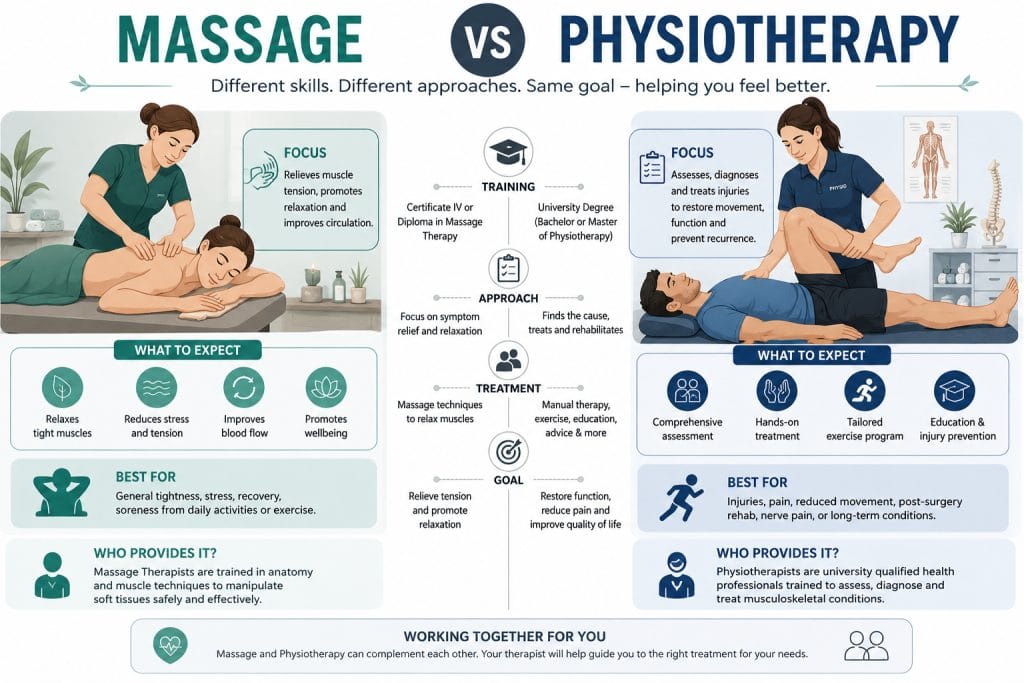
Should I Book a Massage or Physiotherapy?
Massage may be the right choice if you:
- Feel generally tight or stiff
- Have sore muscles after exercise
- Want to reduce stress and tension
- Need help recovering after physical activity
- Are looking to improve circulation and relaxation
Physiotherapy is the better option if you:
- Have pain following an injury or accident
- Experience reduced movement or joint stiffness
- Have ongoing neck or back pain
- Suspect a muscle tear, tendon injury or ligament sprain
- Experience numbness, tingling or nerve pain
- Want a diagnosis and long-term rehabilitation plan
What If You’re Not Sure?
If your symptoms are mild and mainly muscular, starting with a remedial massage may be appropriate.
A good massage therapist understands the limits of their scope of practice and should refer you for physiotherapy or medical assessment if your condition appears more complex.
At On Path Physio, our massage therapist and physiotherapists work closely together to ensure you receive the most appropriate treatment. If your massage therapist identifies signs that your condition requires further assessment, they can seamlessly refer you to one of our experienced physiotherapists. Likewise, our physiotherapists may recommend remedial massage as part of your rehabilitation program when it will help optimise your recovery.
The Bottom Line
Massage therapy and physiotherapy are both valuable treatments, but they have different roles.
Massage therapy is excellent for relieving muscle tension, promoting relaxation and assisting recovery from everyday aches and pains.
Physiotherapy is the preferred choice when pain is affecting your movement, you’ve sustained an injury or you need an accurate diagnosis and personalised rehabilitation plan.
If you’re unsure which treatment is right for you, our team at On Path Physio is happy to help guide you towards the best option for your individual needs. Book an Appointment today and let our team help you choose the right treatment and take the next step towards better movement and recovery.