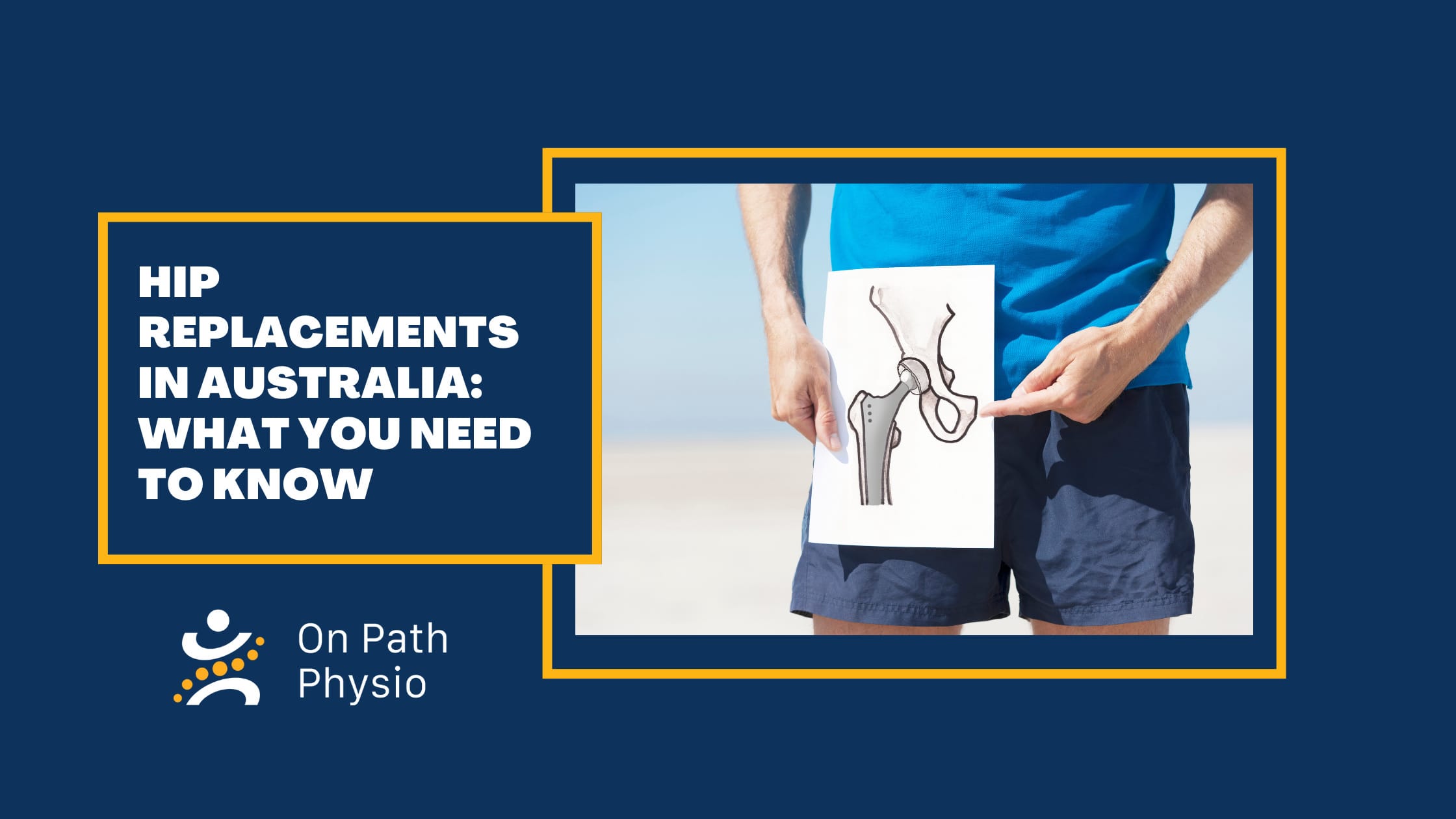
Hip replacements are one of the most successful and common surgeries in Australia, offering life-changing relief for those living with hip pain, arthritis, or injury. If you’ve been told you need a hip replacement, it’s natural to have questions about what’s ahead from preparing for surgery to recovering and returning to normal life.
At On Path Physio, we guide patients through every step of the journey before and after surgery to ensure you get the best possible outcome.
What I Wish I Knew Before Hip Replacement Surgery?
1. Understanding the Procedure
A total hip replacement involves removing the damaged parts of your hip joint and replacing them with artificial components designed to restore smooth movement and reduce pain. It’s typically recommended when conservative treatments (like physiotherapy, exercise, and medication) are no longer effective.
2. Pre-Surgery Assessments
Your surgeon will organise medical checks and imaging to confirm you’re ready for the operation. You may also be asked to attend a “prehab” physiotherapy program an important step to build strength, improve mobility, and prepare your body for the recovery process.
3. The Role of Physiotherapy Before Hip Replacement Surgery
At On Path Physio, our pre-surgery sessions focus on
- Hands on therapy to reduce pain and stiffness in order to move with more confidence
- Strengthening muscles around your hip and core
- Improving your walking pattern and balance
- Practising post-surgery movements (like getting in/out of bed safely)
Building this foundation can make your recovery faster and smoother.
The Road to Recovery from Hip Replacement Surgery
1. The Hospital Stay
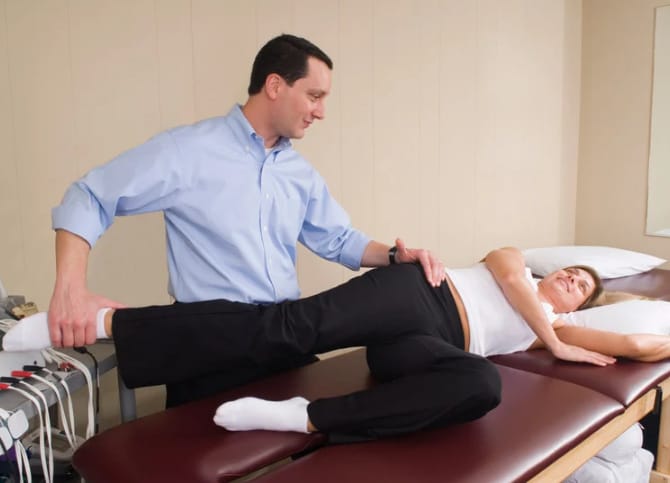
Most patients stay in hospital for a few days. You’ll start gentle movement within 24 hours after hip replacement surgery under the guidance of the hospital physiotherapy team. They’ll help you begin walking with an aid and show you safe ways to move while protecting your new hip.
2. Early Recovery at Home
Once discharged, you’ll continue exercises and walking practice at home. The goal is to gradually improve your mobility, strength, and independence. Avoiding certain positions and movements will be key in the early phase to protect the new joint.
Your On Path Physio therapist will guide you through:
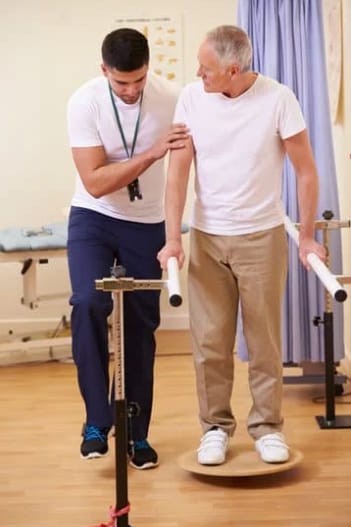
- Safe progression of walking aids (from frame → crutches → cane → unaided walking)
- Hands on treatment to help manage pain and swelling
- Exercises to rebuild hip and leg strength
- Strategies for stairs, dressing, and daily activities
3. The 6–12 Week Phase of Hip Replacement Recovery
By this stage, most patients can walk more freely, return to light activities, and start rebuilding confidence in their new hip. Your physiotherapist will progress your exercises to improve stability, balance, and movement control essential for a safe return to hobbies, work, and daily life.

Long-Term Outlook
Modern hip replacements are designed to last 15–20 years or more. With good movement habits, strength training, and regular physio check-ins, you can enjoy pain-free walking, improved sleep, and a return to activities that once felt impossible.
How On Path Physio Can Help
Our physiotherapists work closely with your surgeon and hospital team to create a seamles pre and post-surgery plan tailored to you. From preparing your body before surgery to guiding your recovery and long-term mobility, we’re here to help you stay on path for a healthier life. Ready to take the next step? Book an appointment today to get expert support before and after your hip replacement surgery.