

Shoulder pain is incredibly common, and one frequent cause we see at On Path Physio is shoulder bursitis. It can sneak up gradually or flare suddenly, making everyday tasks surprisingly painful. Understanding what’s going on in your shoulder and which activities may be aggravating it can make a big difference to recovery.
What is Bursitis in the Shoulder?
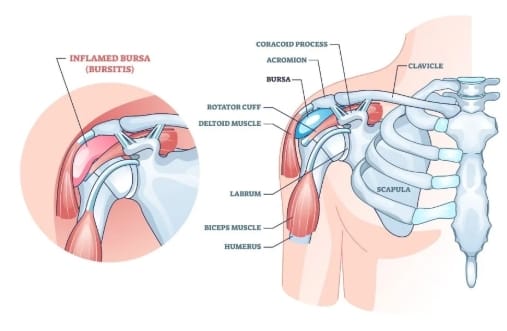
Inside your shoulder are small fluid-filled sacs called bursae. Their job is to reduce friction and help muscles and tendons glide smoothly as you move your arm.
Shoulder bursitis occurs when one of these bursae becomes inflamed, most commonly the subacromial bursa, which sits between the rotator cuff tendons and the shoulder blade.
When inflamed, the bursa becomes sensitive and painful, especially during certain movements.
What are the most common shoulder bursitis symptoms?
People with shoulder bursitis often report:
- Pain when lifting the arm, especially overhead
- Discomfort when lying on the affected side
- A sharp or aching pain at the outer shoulder or upper arm
- Reduced shoulder range of motion
- Pain that worsens with repeated use
Symptoms may feel worse at night or after a busy day using the arm.
Activities at home that can make shoulder bursitis worse
Many everyday tasks can unknowingly overload an irritated shoulder bursa. Common culprits include:
1. Reaching overhead
Activities like:
- Putting dishes away in high cupboards
- Hanging washing
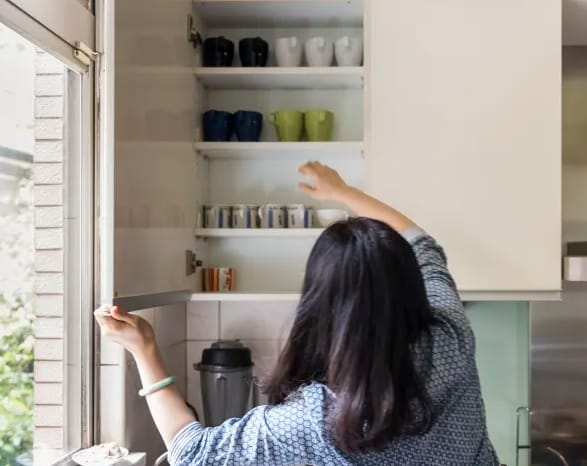
Repeated or sustained overhead positions compress the bursa and often increase Shoulder Pain.
2. Sleeping on the affected shoulder
Lying directly on the painful shoulder can significantly irritate the bursa overnight, leading to increased morning pain and stiffness.
3. Repetitive household chores
Tasks such as:
- Vacuuming
- Mopping
- Cleaning windows
- Gardening
These often involve repeated shoulder movements that can flare symptoms, particularly if posture or technique is poor.
4. Prolonged poor posture
Slouching on the couch, working at a laptop, or scrolling on your phone with rounded shoulders can reduce shoulder space and increase pressure on the bursa.

5. Sudden increases in activity
Jumping back into DIY projects, home workouts, or heavy lifting after a period of rest can overload the shoulder tissues too quickly.
How to help Shoulder Bursitis at home?
While full assessment and treatment are important, a few simple strategies can help calm symptoms:
- Modify activities: Avoid or reduce painful movements, especially overhead tasks
- Change sleeping position: Try to modify the arm to allow the whole arm take the pressure while sleeping on it or sleep the opposite side with a pillow supporting the sore arm
- Mind your posture: Sit tall, keep shoulders relaxed, and avoid prolonged slouching
- Use pain-free movement: Gentle, controlled shoulder motion is usually better than complete rest
- Heat: Applied in short periods, heat for shoulder bursitis can help manage discomfort
When to seek help
If shoulder pain is:
- Persisting for more than a few weeks
- Affecting sleep or daily function
- Getting worse rather than better
It’s worth seeing a physiotherapist from On Path Physio. A tailored treatment plan can help reduce inflammation, restore movement, and safely strengthen the shoulder, preventing ongoing flare-ups.
Final thoughts
Shoulder bursitis can be frustrating, but with the right guidance and a few activity adjustments at home, most people recover well. Listening to your shoulder early and addressing aggravating habits can save you weeks or months of unnecessary pain.
If shoulder pain is holding you back, a physiotherapy assessment from On Path Physio can help get you moving comfortably again. Book an appointment today to get personalised advice and start your recovery with confidence.