Travelling overseas for an extended holiday has become increasingly common, especially after the long stretch of COVID-19 restrictions. While planning destinations and itineraries is exciting, one thing many people overlook is the physical demand that travel places on the body.
Have you ever worried about lifting a heavy suitcase or triggering that old back pain while navigating airports and hotels? If so, you’re not alone, and the good news is, a little preparation can make a big difference.
Suitcases: Not Always as Easy as They Look
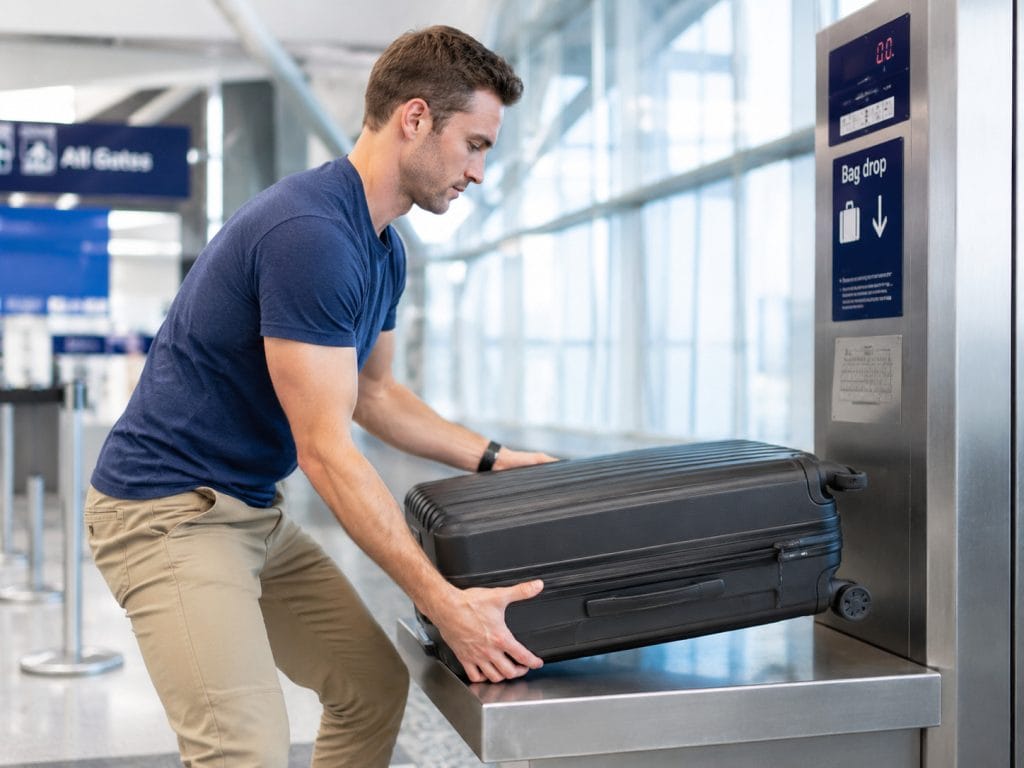
Modern suitcases come with wheels, which makes getting around seem effortless. But reality quickly sets in when you must lift that suitcase onto a check-in scale, carry it upstairs or hoist it into overhead storage.
A simple test:
- Can you lift your suitcase onto a table?
- Can you carry it for 30–40 seconds?
If the answer is NO, it’s worth spending some time preparing your body before your trip. This doesn’t require anything fancy – just practical functional strength.
Why Strength Matters for Travel
Handling luggage requires coordinated strength across your entire body:
- Upper body (arms, shoulders, back) for lifting and carrying
- Lower body (legs) for stability and balance
- Core for protecting your spine during movement
Also, remember that not every destination has elevators. You may find yourself carrying luggage up flights of stairs or across uneven terrain.
Start Preparing Early
Ideally, begin your preparation as soon as you book your travel dates. Even a week or two of targeted effort can improve your strength and reduce injury risk.
Practical Training Tasks and Safe Lifting Techniques
Task 1: Build Lifting Strength – Correct Lifting Method
Choose your suitcase and pack it with around 10 kg. Each day, practice lifting it onto a chair or table several times.
- Gradually increase the weight to 20 kg
- If you have a month to prepare, add 5 kg each week
- If time is short, adjust the progression accordingly
The goal is to comfortably manage the weight you’ll be travelling with.
Task 2: Improve Carrying Capacity
Lift your suitcase and hold it for 20 seconds. Over time, aim for 30–60 seconds.
If travelling with a partner, try carrying two suitcases briefly to simulate real scenarios. Always use caution, especially on stairs, where you should only carry one at a time.
Task 3: Train for Carry-On Bags
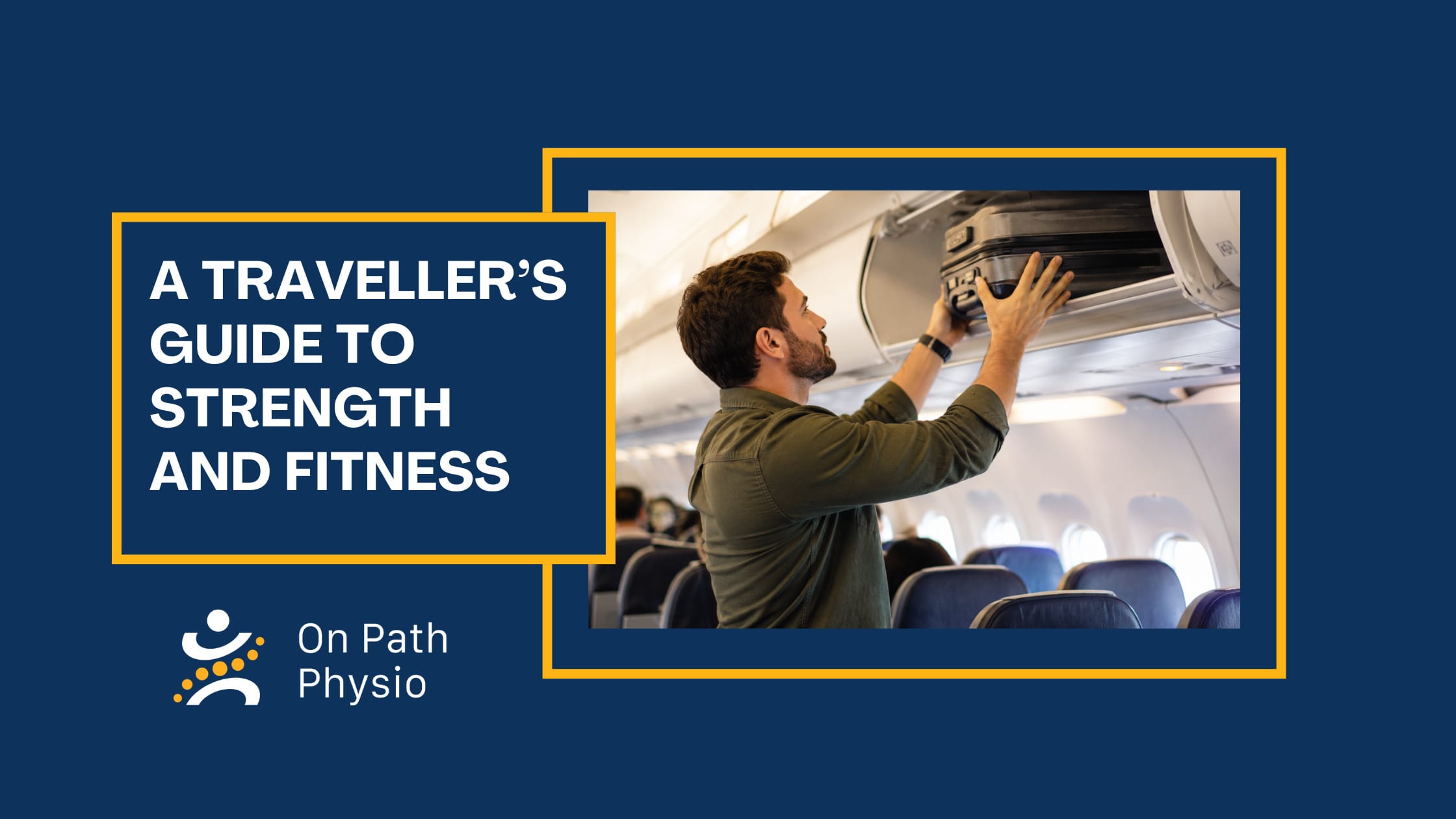
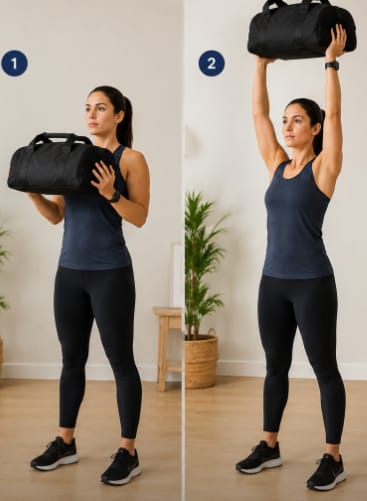
Don’t forget your carry-on. Practise lifting a weighted bag overhead, mimicking placing it into an overhead compartment.
Travel Recovery Tips
Even with preparation, aches can happen. Here are some simple ways to manage discomfort on the go:
How to reduce muscle soreness:
- Use heat: a warm shower or a heated towel can help relax tight muscles
For stiff upper back:
- Lie on a rolled towel placed along your spine (with a pillow across it like a “T”)
- Relax in this position for 5–10 minutes to stretch deeper muscles
For targeted tight spots:
- Use a massage ball or tennis ball against a wall or floor
For lower back discomfort:
- Gently arch backward while standing
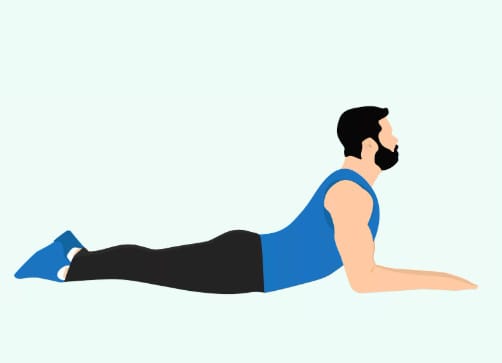
- Try a “cobra stretch” by lying on your stomach and pushing up with your arms
Don’t Forget Your Neck
Neck pain is one of the most common travel complaints, often caused by:
- Poor sleeping posture
- Lifting heavy items
To reduce strain:
- Use a supportive neck pillow
- Adjust airplane headrests (winged supports help)
If neck pain doesn’t improve after 2–3 days, even with heat, seek professional advice at On Path Physio and Book an Appointment Today. Ignoring it can lead to prolonged discomfort.
A Final Word
Travel should be enjoyable – not physically draining. By taking a little time to prepare your body, you can reduce the risk of injury and move through your journey with confidence.
If you have a history of injury, always work within your limits and prioritise safety.
Happy travels and safe lifting!